
There are hundreds of hormones in the body. They help cells know what is on their task list and to talk to other cells. They turn body processes off and on. They help the brain tell other parts of the body what to do. They are communicator chemicals that help our bodies do all of the body things.
Table of Contents
- What Makes Sex Steroid Hormones Different?
- Does Everyone Have Sex Steroid Hormones In Their Bodies?
- Hormone Levels Change
- How Do Hormones Work?
- How Do Hormonal Transitions Feel?
- What’s The Scoop About Hormonal Transitions, Then?
What Makes Sex Steroid Hormones Different?
The endocrine system is the body’s hormone library, factory, and distribution system: it is made up of several different glands that create hormones and send them out into the body.
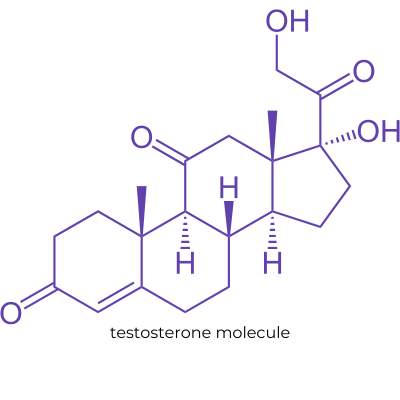
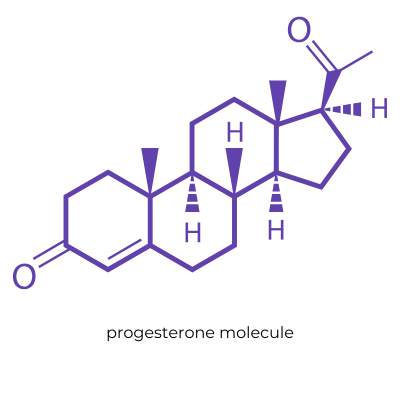
“Sex steroid hormones” like estrogen, testosterone, and progesterone (ETP, for shortsies) are present in almost all human bodies and affect more than genitals and secondary sex characteristics like breast growth, facial and body hair, and genital shape, size, and function.

Does Everyone Have Sex Steroid Hormones in Their Bodies?
Levels of ETP are very low in children before puberty. They typically rise in adolescence and early adulthood, and decline in later adulthood. We have more or less depending on our age, medical conditions or medicines that we may be taking, and what organs we have. But most human bodies have all three!
The diversity of human experience includes bodies that have uncommon (but not unnatural!) levels or combinations of hormones. It is so important to understand that there is no single correct level of hormones: hormones have ranges just like the subtle differences between colors when we move from red to purple to blue, or from blue to green to yellow. Different bodies feel best and are healthiest at different points in these ranges. These ranges also include intersex people who may have more or less hormones in their bodies or whose bodies don’t react to hormones in the same ways as other people. Healthcare should encompass and support healthy ranges for diverse bodies, including those with variations in sex traits or reproductive anatomy.
Hormonal transitions aren’t unique to transgender people. Hormone levels naturally change during life, and on several different schedules. Almost everyone experiences hormonal transitions. ETP isn’t just about gender affirming care for trans folks, but about healthcare that runs the whole stretch of specialties from primary care to cardiology to orthopedics to urology! (Plus, we’ll add a quick reminder that cis people take hormones for gender-y reasons, too!)
Hormone Levels Change All The Time
Hormone levels change during the day.
They change day to day, week to week, month to month, and year to year.
Some of the major hormonal transitions involving estrogen, testosterone, and progesterone that people experience are:
- puberty, when ovaries and testes start making larger amounts of hormones and help the body grow from a child into an adult,
- menstrual cycles,
- pregnancy,
- peri-menopause and menopause,
- andropause,
- aging,
- treatments for medical conditions that require changes to hormone levels like some cancers,
- gender affirming care (not just for transgender people!), and
- some endocrine conditions.
Many of these transitions are tied to reproduction and are an expected part of the reproductive life cycle. But ETP doesn’t just affect reproduction. These hormones are used in tissues all over the body, including the brain, bones, blood vessels, the skin and connective tissues, the heart, the bladder, the immune system, and the genital and reproductive organs. The levels of ETP in your body can affect your blood sugar and cholesterol levels, too.
How Do Hormones Work?
Hormones “talk” to these tissues via receptors. Receptors are a lot like locks and they are present in different combinations and levels in all of those tissues. Hormones are like the keys to those locks. When a hormone key fits into a receptor lock, the cell where that receptor is receives a message about what to do or not do.
Because hormone receptors for estrogen, testosterone, and progesterone are all over the body, changing levels of these hormones can affect our experiences of everything! They can affect how we think, feel, move, heal, sleep, experience touch and other bodily sensations, and how we experience the world.
That’s why hormonal transitions can feel like your entire body and your entire world are changing.
How Do Hormonal Transitions Feel?
When hormone levels change, people often notice that:
- touch feels different
- food tastes different
- smells are different
- emotions feel different
- moods change
- body temperature and tolerance to outside temperature changes
- sleep changes
- exercise feels different
- skin feels different
- libido changes.
Every person’s experience of their hormonal situation is unique because hormones interact with genetics, anatomy, receptors in cells, health conditions, medications, and life stages.
What’s The Scoop About Hormonal Transitions, Then?
Hormonal transitions don’t simply change our bodies—they change how we inhabit them. Sometimes those changes feel joyful. Sometimes they feel uncomfortable. Often they are both. That’s because hormones help coordinate communication throughout nearly every part of the human body. And these changes are something we will all experience.
At QueerDoc, we specialize in transgender hormonal transitions, and in queer-focused peri- and menopausal care. But we also believe that everyone should have access to healthcare that understands how hormones are central to how each of us experiences ourselves and the world.
For a deeper dive into hormones and how we use them in transgender gender affirming care:
- Gettin’ Nerdy on Gettin’ Curvy: Estradiol, Progesterone, and SERMs
- Gettin’ Curvy, the QueerDoc Way
- Testosterone: A Quick Crash Course in Gender Affirming Care
- What You Need To Know Before Starting Testosterone
- How Should I Take Estradiol? Comparing Every Route of Estrogen Administration for Gender Affirming Care
- How Should I Take Testosterone? Comparing Every Route of Testosterone Administration for Gender Affirming Care
- Cardiovascular Risks with HRT